Kratos and GE Just Became the Second Engine on America’s Standoff Missile
Kratos and GE Aerospace's GEK800 received the F143-ZZ-100 type designation and a U.S. Air Force EMD contract as JASSM's second-source engine. Neither company disclosed a dollar value.
Kratos Defense (NASDAQ: KTOS) and GE Aerospace (NYSE: GE) put a new engine on the Joint Air-to-Surface Standoff Missile this week. On August 17 both companies announced that the GEK800 turbofan received the U.S. military type designation F143-ZZ-100 and a U.S. Air Force Engineering, Manufacturing and Development contract as a second-source propulsion system for JASSM.
The EMD award came without a dollar figure. Neither press release stated one. What they did state is the assignment: a second engine line on the Air Force's main air-launched cruise missile, a program Lockheed Martin has long run as prime.
F143 Is Now a Military Engine
A type designation is not a marketing name. F143-ZZ-100 is the Air Force putting the GEK800 on the books as military hardware. The same day, the service moved that engine into EMD as JASSM's second-source turbofan.
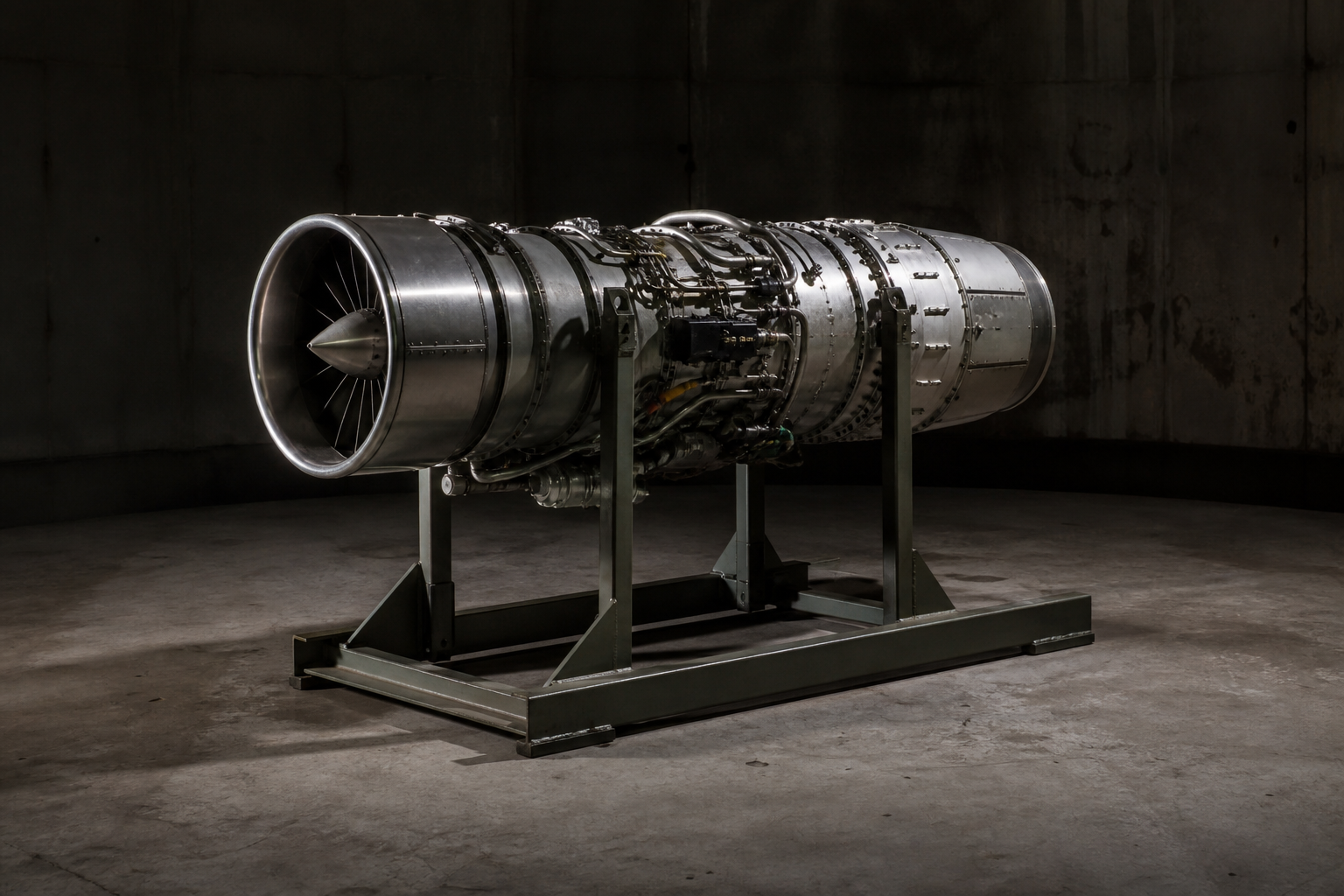
Kratos reported the same facts in a parallel release. The GEK800 is an 800-lb thrust turbofan designed to power long-range missiles and other uncrewed applications.
TMRR in 2023, Altitude in 2025
The pairing is not a one-week sprint. Kratos and GE began a Technology Maturation and Risk Reduction phase in 2023, combining internal investment with support from the Air Force Research Laboratory.
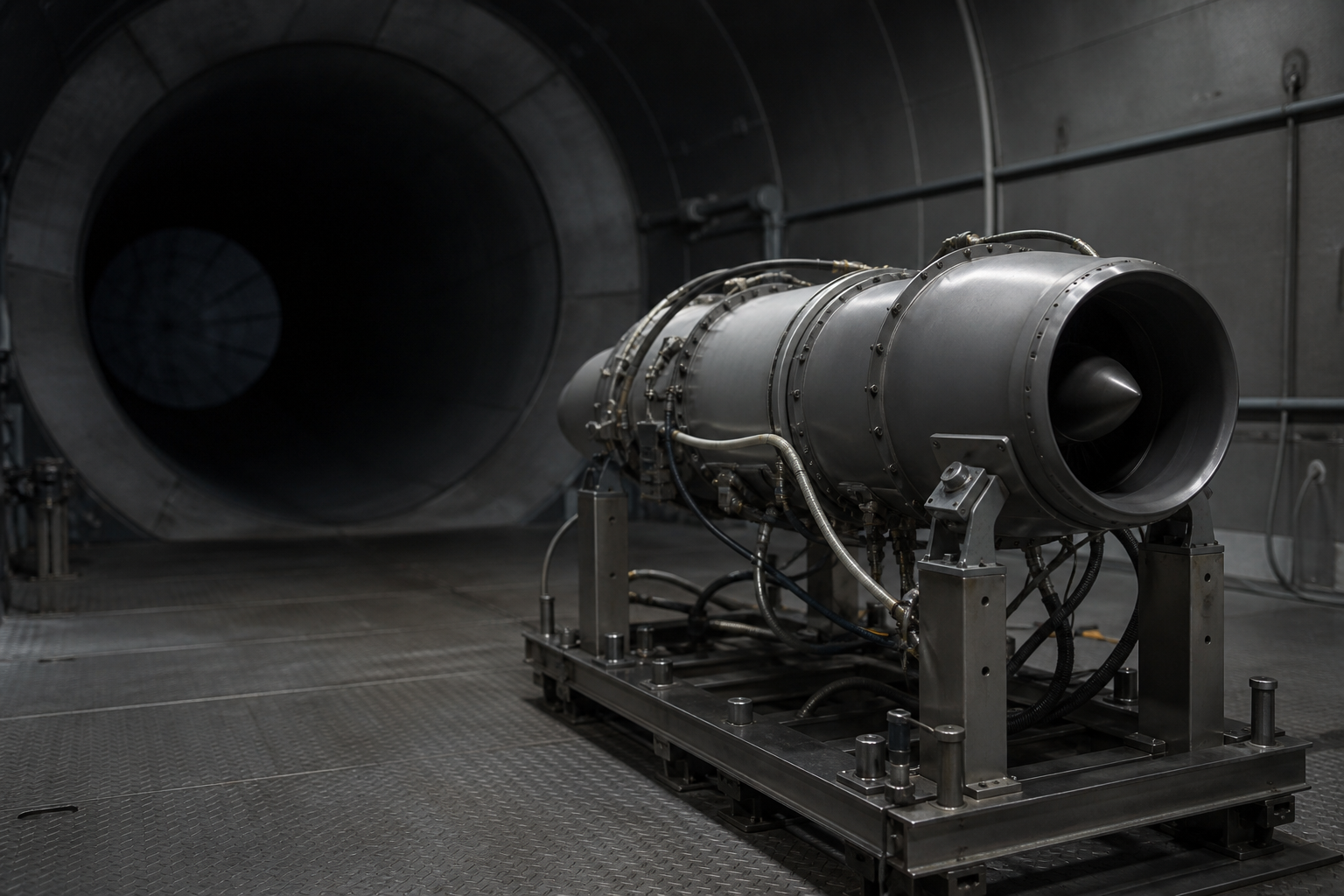
Ground testing at Kratos and GE facilities produced more than 50 engine starts. In 2025 the engine completed altitude testing at Purdue University's Maurice J. Zucrow Laboratories.
The sequence is the ordinary one. TMRR, then altitude, then a type designation and an EMD contract. This week's news is the last of those steps, not a surprise prototype.
A Second Source on JASSM
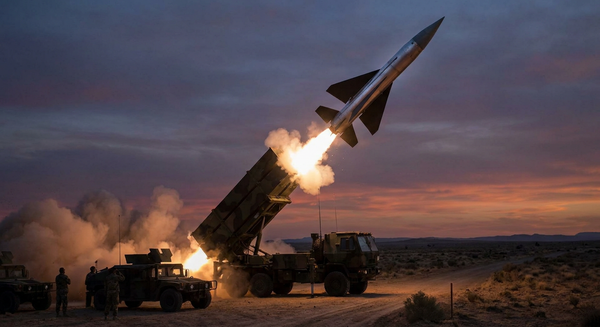
JASSM is the Air Force's long-range standoff missile. Lockheed Martin is the prime. One engine supplier is a bottleneck when the service wants more missiles off the line.
A second-source F143 does not change who builds the airframe. It changes who can feed propulsion if the first engine is short, delayed, or sitting on a one-vendor line.
Neither company named a unit price, a quantity, or a production year. The news this week is the slot, not the rate.
Built for Missiles and CCA
The companies did not treat F143 as a JASSM-only spare. The same small turbofan is intended for cruise missiles, collaborative combat-type aircraft, and other UAVs.
That is the industrial case. An 800-lb class engine that can be built in volume is useful on more than one airframe, not only as a spare for a single missile.
GE Aerospace lists an installed base of approximately 49,000 commercial and 29,000 military aircraft engines, with about 53,000 employees. That is the footprint behind a missile-class turbofan.
The Dollar Figure Is Still Blank
No contract value. No engine count. No first flight on a JASSM airframe. Those numbers will show up later, in a budget exhibit or a production award.
August 17 named the engine and put it into EMD. F143-ZZ-100 is now the second propulsion system on America's standoff missile. The rest is manufacturing.