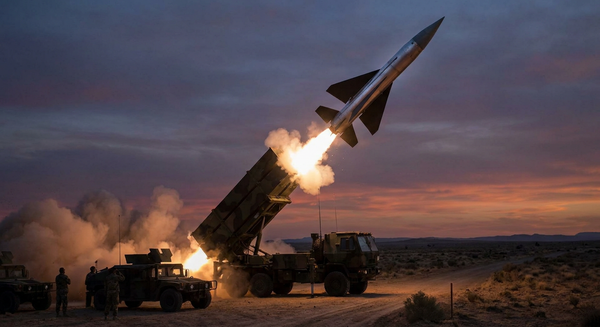
Raytheon Just Got a Seven-Year Order to Make Tomahawks by the Thousand
The Navy is not buying a new missile. It is buying rate: a seven-year, $22.9 billion Tomahawk order that would take Raytheon from 60 a year to more than 1,000 after inventories were thinned by allied transfers and the Iran fight.
The U.S. awarded Raytheon a $22.9 billion contract to boost Tomahawk output. Defense News reported the deal on August 17 as the Navy moves to restock a missile supplied to allies and used in the Iran conflict.
This is not a new seeker or a prototype fly-off. It is a rate buy on a sea-launched cruise missile Raytheon already makes for ships and submarines. The industrial base is the story. The weapon is not.
In a company statement, Raytheon said the contract runs seven years and is meant to lift annual Tomahawk production to more than 1,000 missiles. The company currently makes just 60 a year. That is the print. Everything else in the coverage is color around those two rates and the $22.9 billion wrapper that is supposed to pay for the jump.
Acting Secretary of the Navy Hung Cao put the award in industrial terms. "We called on industry to rapidly scale up munitions output, and RTX is delivering." The quote treats Raytheon as a factory problem that just got a seven-year answer, not as a lab that just unveiled a new round.
The Navy Is Buying Rate
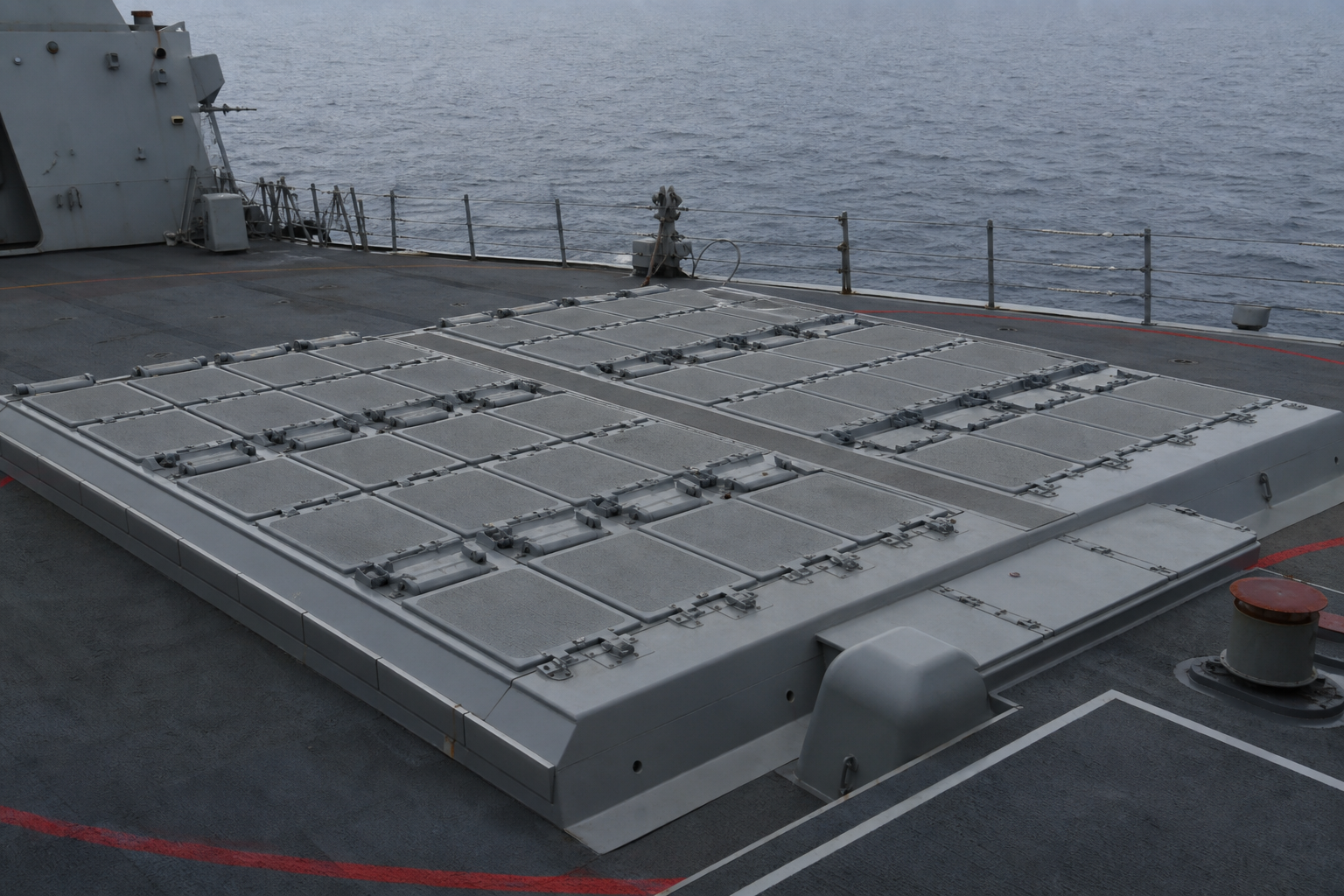
The sea-launched Tomahawk is the Navy's long-range precision strike weapon from ships and submarines. The paper signed this week does not change the missile. It changes how many the line is expected to deliver, and for how long the company is expected to hold that rate.
Sixty a year is a sustainment cadence. More than 1,000 a year is a wartime cadence. The formal announcement firms up a framework signed in February. February was the outline. August 17 is the order of magnitude.
The award fits a broader push for multiyear munitions deals that give primes a reason to expand capacity before the magazine is empty. Washington has already used Tomahawks in the Iran conflict and sent them to allies. The inventory argument writes itself. The number that matters on this print is still the rate.
From 60 a Year to More Than 1,000
Raytheon published both production figures. The company did not publish a unit price, and neither did the Pentagon in the coverage we have. Do not back into one from the $22.9 billion headline. The contract is a seven-year output wrapper, not a sticker on a single round. Anyone dividing $22.9 billion by a guessed missile count is inventing a price the sources did not give.
What the award does set is volume and time. Seven years. More than 1,000 missiles a year at the target rate. Treat those as capacity goals, not a delivery schedule the Navy has already met. The company is promising a climb, not a stockpile sitting on a pier this week.
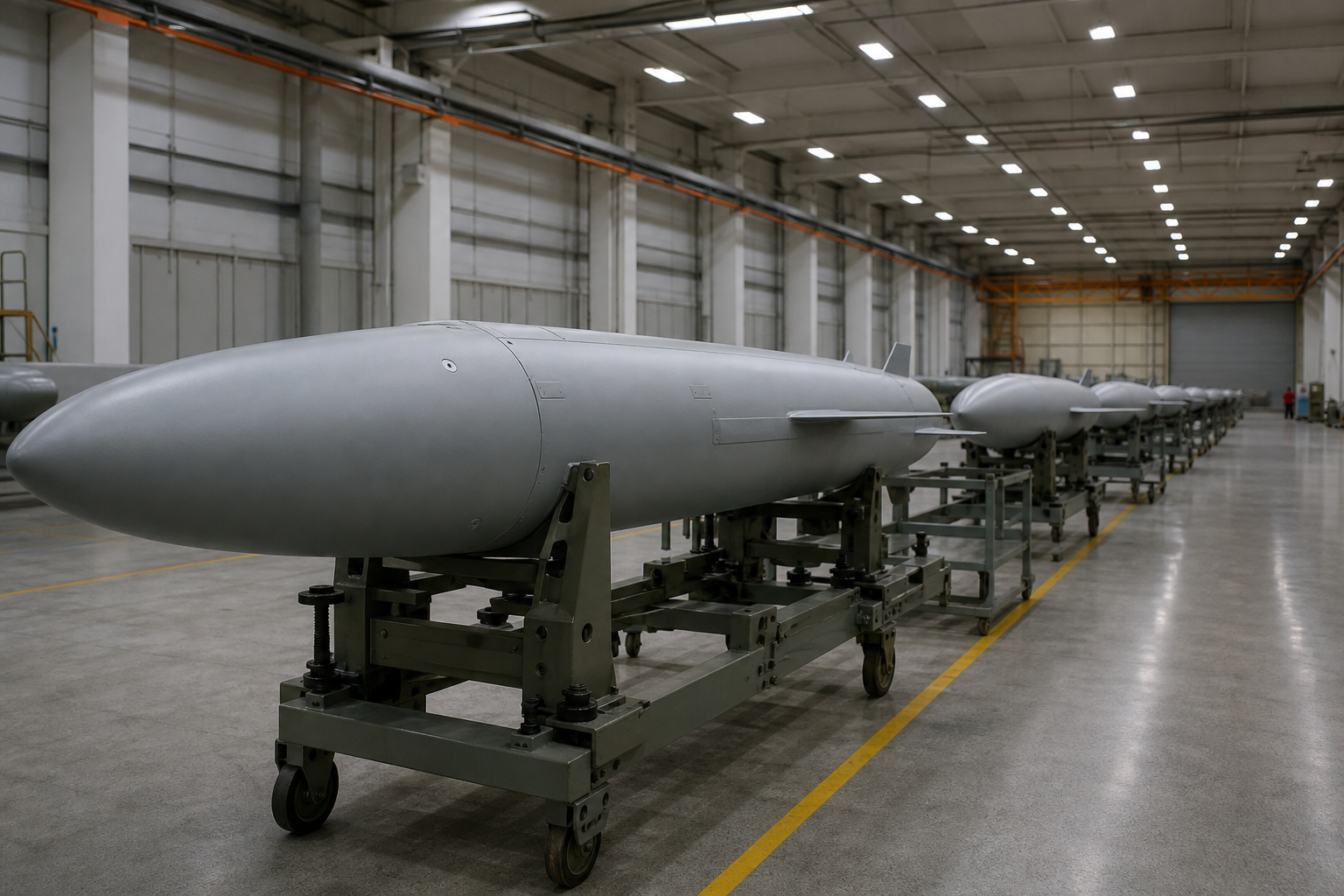
A line that turns out 60 Tomahawks a year cannot, by habit, turn out more than 1,000. Tooling, test cells, and suppliers have to move with the order, or the order stays paper. That is why a seven-year term matters. A one-year plus-up would not pay for the plant.
$22.9 Billion Over Seven Years
Split $22.9 billion evenly across seven years and you get about $3.3 billion a year. That is arithmetic from the contract total, not an official annual figure. The award can still load unevenly as the line tools up. Early years can be heavier on tooling. Later years can be heavier on rounds. The coverage does not say which.
For RTX, the print is backlog duration as much as a single-year sales spike. A seven-year Tomahawk book sits next to Patriot and THAAD interceptor-parts ramps the military signed earlier this month. Those deals were not priced in the Tomahawk coverage, and we will not invent the figures here. The pattern is the same. Buy rate, then argue about lots.
What the Award Leaves Blank
No factory city. No headcount. No year-by-year delivery table. The statement confirms term and target rate. It does not say when the line hits 1,000, or what share of the $22.9 billion is hardware versus tooling. Those are the numbers a model actually needs, and they are not in the August 17 paper.
That matters for the model. A rate contract can slip on suppliers and test capacity without the headline changing. The risk is execution, not demand. Demand is the easy half. The Navy has already shown it will fire Tomahawks and share them. The next useful print is not another ceremony. It is whether Raytheon starts talking about Tomahawk rate the way it already talks about interceptors.
The Industrial-Base Trade
This is the week's largest listed-name munitions award. The Navy is paying Raytheon to make a familiar weapon at an unfamiliar volume. If the line scales, RTX captures a long, visible strike-missile stream. If it does not, the contract is a reminder that wartime footing is easier to announce than to staff. Watch rate, not rhetoric. Cao's quote is the policy. The jump from 60 to more than 1,000 is the work.