The Senate CR Funds the Pentagon—But Blocks New Multiyear Munitions Starts
The Senate’s 90-6-1 stopgap would fund the Pentagon through Dec. 11 at FY26 levels while rejecting a $1B battleship anomaly and five multiyear munitions obligations. The House CR ends Dec. 4—compromise still required.
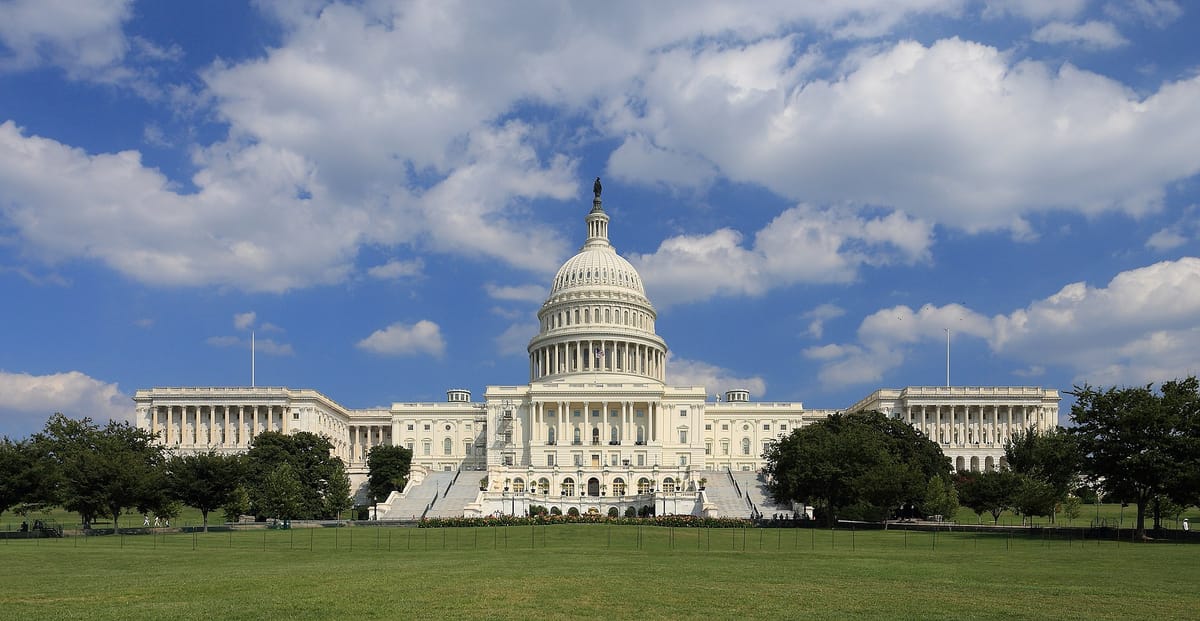
The Senate has funded the Pentagon the way Congress often does in August: with a stopgap that keeps the lights on and the industrial base guessing. On a 90-6-1 vote, senators passed a continuing resolution that would keep federal agencies—including the Defense Department—funded through December 11 at fiscal 2026 levels, while forbidding the start of new programs, Breaking Defense reported.
That is not a budget. It is a bridge. And for munitions investors, the fine print on the bridge matters more than the topline: the Senate’s CR rejects the White House’s bid for a $1 billion battleship anomaly and blocks language that would have allowed new multiyear munitions obligations. In a year when production lines are already strained by operational demand, the difference between “funded at last year’s rate” and “authorized to start multiyears” is the difference between stability and growth.
Two clocks, one unfinished CR
Before August recess, the House passed its own CR running only through December 4. The Senate’s version extends to December 11 and includes some anomalies and provisions favored by Democrats that were not in the House text, according to Breaking Defense. Neither chamber’s bill, however, contains most of the Pentagon-specific anomalies the White House sought.
CSIS’s Seamus P. Daniels, in an August 18 analysis, places the same split in the broader FY 2027 funding map: the House CR (H.R. 9970) through December 4, the Senate version through December 11, with both chambers still needing to reconcile differences before October 1 to avoid a lapse in appropriations. Full-year discretionary appropriations, Daniels notes, appear unlikely until after early December.
That framing is the right one for markets. A passed Senate CR is not an enacted CR. House and Senate texts still diverge on duration and anomalies. Investors pricing CR certainty into September are pricing a negotiation, not a signed law. The September return of Congress is therefore the next catalyst window—not because markets love process, but because process is what determines whether multiyear munitions language reappears in a compromise text.
What the Senate blocked: battleship cash and multiyear starts
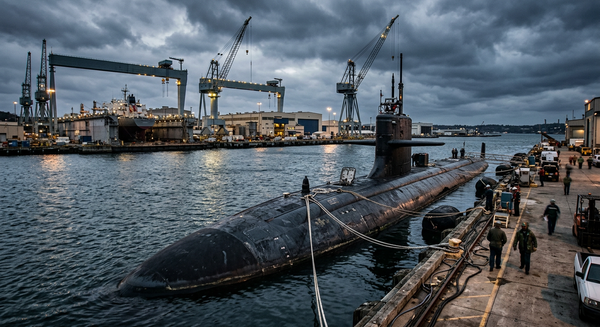
The industrial heart of the story sits in what Senate appropriators refused. In a companion Breaking Defense report, Senate appropriators rejected a White House request for $1 billion tied to the Trump-class battleship program. The White House anomaly list, as quoted in that piece, argued that without the anomaly the department “would be unable to begin advance procurement of the nuclear propulsion work necessary for ship construction.”
Shipbuilding investors should read that quote carefully. It is a White House argument about what happens without the anomaly, not a congressional finding that the program is cancelled. The Senate’s act was refusal to include the anomaly in the CR—not a standalone rescission of prior law. Still, for a nascent battleship effort that wanted CR-era advance procurement, the refusal is a tangible delay signal.
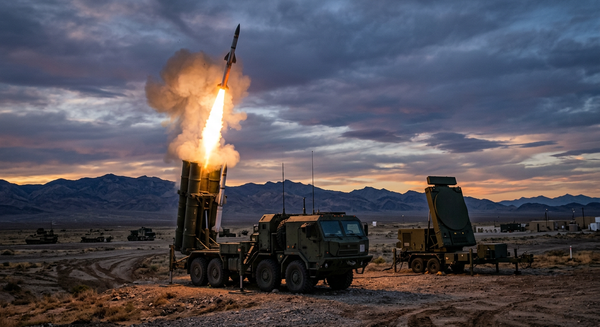
The Senate also denied language that would have allowed the Pentagon to obligate funding for five multiyear munitions programs—Patriot PAC-3, Tomahawk, AMRAAM, and two Standard Missile-3 variants—several of which Breaking Defense noted have been drawn down during Operation Epic Fury. The White House warned that without the anomaly the government “may incur cancellation liabilities on multi-year procurement contracts if it does not order the negotiated production quantities.”
Instead, Senate appropriators kept the familiar CR boilerplate: no new starts, and no initiation of multiyear production contracts on CR dollars. For primes and missile houses, that is the operational message. Existing production can continue at last year’s pace; the CR is not a green light to launch new multiyear munitions commitments. Whether cancellation liabilities ultimately materialize is a separate, contract-specific question that neither Breaking Defense piece answers with dollar figures—and that investors should not invent.
NDAA atmospherics are not appropriations
Authorization politics remain a parallel track. CSIS records that the House passed its FY 2027 NDAA (H.R. 8800) on July 26 by a 216–212 vote, authorizing about $1.15 trillion in discretionary national defense funding. The Senate Armed Services bill cleared committee but stalled on the floor after a failed cloture vote.
None of that spends a dollar. The NDAA implies a level of funding, as Daniels puts it; appropriations and CRs are what vendors invoice against. Investors conflating a House NDAA pass with munitions multiyear authority will misread the instrument. The House vote is useful as a signal of Republican willingness to back a high discretionary topline; it is not a substitute for anomaly language in a CR.
What this does—and does not—mean for defense equities
A CR at FY 2026 rates is usually neutral-to-soft for growth narratives and hard on programs that needed a new-start or rate increase on day one of the fiscal year. The Senate’s explicit rejection of the five-munition multiyear anomaly sharpens that softness for PAC-3, Tomahawk, AMRAAM, and SM-3 producers that were hoping CR language would protect negotiated multiyear quantities. It is also a reminder that reconciliation and supplemental debates—tracked in the same CSIS note—may become the alternate vehicles for munitions acceleration if CR anomalies stay blocked.
Equally important is what primary sources do not establish. Neither Breaking Defense account nor the CSIS tracker claims that signed multiyear frameworks have been cancelled, or that a shutdown is certain. They describe a procedural impasse: two CRs, divergent end dates, missing DoD anomalies, and a September reconciliation task. Shutdown risk exists if Congress fails to act by September 30; it is not a forecast embedded in the Senate’s 90-6-1 vote.
For portfolio construction, treat the Senate CR as a signal about congressional appetite—limited appetite for battleship advance procurement and multiyear munitions starts under stopgap rules—not as a final scoreboard on FY 2027. The next primary catalysts are a House-Senate CR compromise (or one chamber adopting the other’s text) and whatever anomalies survive that deal. Until then, the investable fact pattern is austere and well sourced: funding through mid-December at best, no new starts, and no Senate blessing for the White House’s munitions multiyear ask.