The Multi-Year Pact Locking In 1,900 AMRAAM Missiles a Year
Raytheon locked in a multi-year AMRAAM contract worth up to $20.7 billion, converting a February pledge of at least 1,900 missiles a year into factory-floor certainty through June 2033.
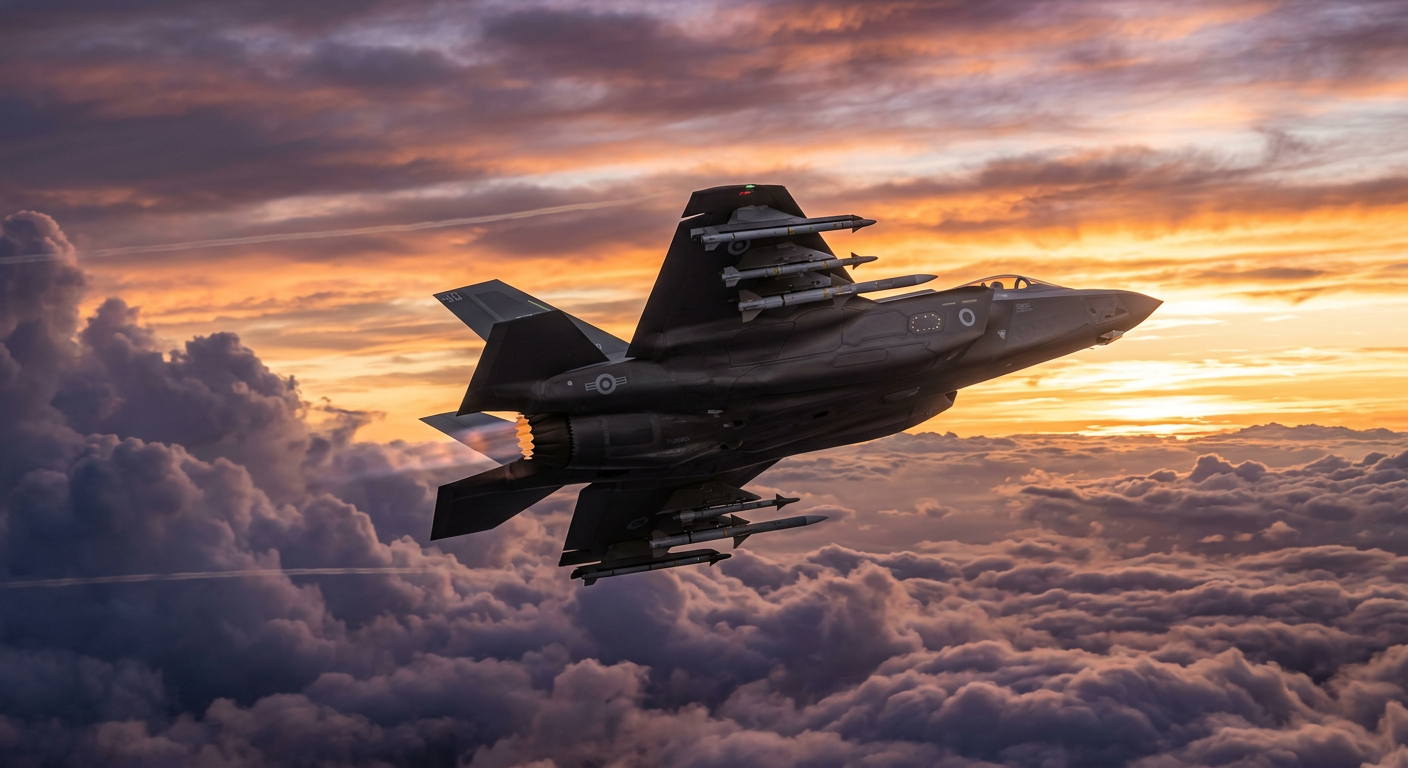
Raytheon locked in the factory math on Monday. The RTX business was awarded a five-year multi-year contract, with two option years, valued at up to $20.7 billion for AIM-120 AMRAAM missiles, running through June 2033. The award stretches well past a one-year lot buy. It is the purchasing vehicle meant to hold a production rate of at least 1,900 missiles a year, year after year, for the U.S. Air Force, the U.S. Navy, and a long list of allied air forces that already fly the weapon.
That rate was the political and industrial promise. This contract is the purchase order that has to keep it.
A February pledge becomes a seven-year buy
The deal operationalizes a landmark framework agreement announced on February 4, 2026 under the Pentagon and Department of War's Arsenal of Freedom initiative. That package committed the government to expanding annual AMRAAM output to at least 1,900 missiles. Seven months later, the multi-year vehicle is on the books, which is the difference between a speech about surge capacity and a supplier being able to order tooling, rocket motors, and microelectronics with a horizon past the next appropriations cycle.
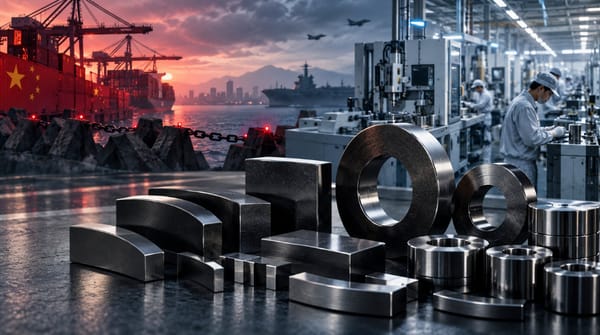
Raytheon had already started moving the line. RTX nearly doubled AMRAAM production in 2025 compared with 2024, working from centers in Tucson, Arizona; Huntsville, Alabama; and Andover, Massachusetts. Doubling once is a sprint. Holding 1,900 a year through 2033 is a staffing, casting, and electronics problem, which is why the company is tying hundreds of domestic small and mid-sized suppliers into the ramp and qualifying European sub-tier firms for co-production rather than treating the extra volume as a Tucson-only overtime story.
One missile, two jobs, 44 partners
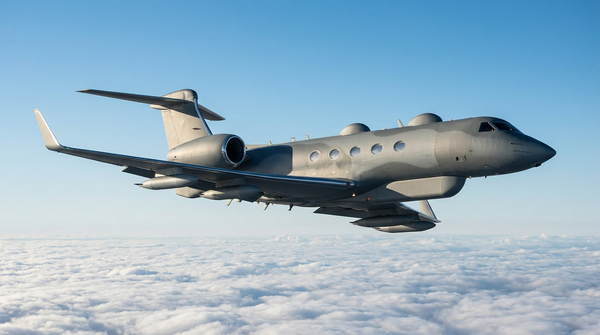
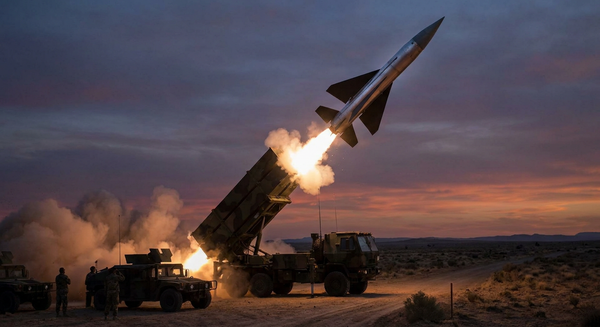
AMRAAM is in its fifth generation and already sits on 14 platforms, including the F-15, F-16, F/A-18, F-22, F-35, Gripen, and Eurofighter Typhoon. That commonality is the quiet reason a single air-to-air lot buy can also restock ground batteries. The missile is the primary interceptor for both air-to-air fights and the National Advanced Surface-to-Air Missile System, the NASAMS batteries that have become a standard allied answer to cruise missiles and drones. Raytheon says the weapon has recorded more than 7,000 successful live fires in testing and combat, which is the kind of pedigree that makes foreign military sales easier to defend in allied parliaments than a brand-new design.
This contract feeds the U.S. Air Force, the U.S. Navy, and 44 international partner nations. Foreign military sales participants named in the announcement include Australia, Belgium, Canada, the Czech Republic, Denmark, Finland, Germany, Italy, Japan, Kuwait, the Netherlands, Norway, Poland, Sweden, Taiwan, and the United Kingdom. The geography of that list is the point. AMRAAM is not a boutique U.S. inventory item. It is the shared magazine for a large share of Western fighter fleets and for NASAMS coverage from Northern Europe to the Western Pacific.
The boom-and-bust problem the contract is built to kill
The industrial case is blunt. Dual-theater expenditure has been chewing through Western missile stocks: continuous surface-to-air defense against drones and cruise missiles in the Middle East, and heavy NASAMS use in Ukraine. Annual lot buys cannot keep up with that burn, and they give suppliers no reason to add motor capacity that might sit idle if next year's budget slips. The traditional cycle is feast, then famine. A five-year base with two option years, priced up to $20.7 billion and stretching to June 2033, is the government's attempt to break that pattern by putting seven years of demand on paper.
That structure is what the 1,900-a-year target actually requires. Rocket motors, seekers, and the small shops that machine the unglamorous bits do not expand on a 12-month contract. They expand when a prime can show a bank, a foundry, or a European co-producer a multi-year order book. Raytheon's bet, and the Pentagon's, is that locking AMRAAM into that book will keep the line hot enough that the next dual-theater spike does not start from an empty rack.
Whether 1,900 a year is enough is a separate argument, and this award does not settle it. What it does settle is the buying method. The Arsenal of Freedom framework named the rate in February. Monday's contract is the instrument that tries to make the rate real through 2033, for U.S. services and for the 44 partners already flying or launching the same missile.