Why the Navy's $24 Billion SM-6 Bet Hinges on a Stalled Budget
The Navy awarded Raytheon a $24.4 billion multi-year pact for SM-6 interceptors, testing whether factory lines can surge past 500 missiles a year amid budget gridlock.
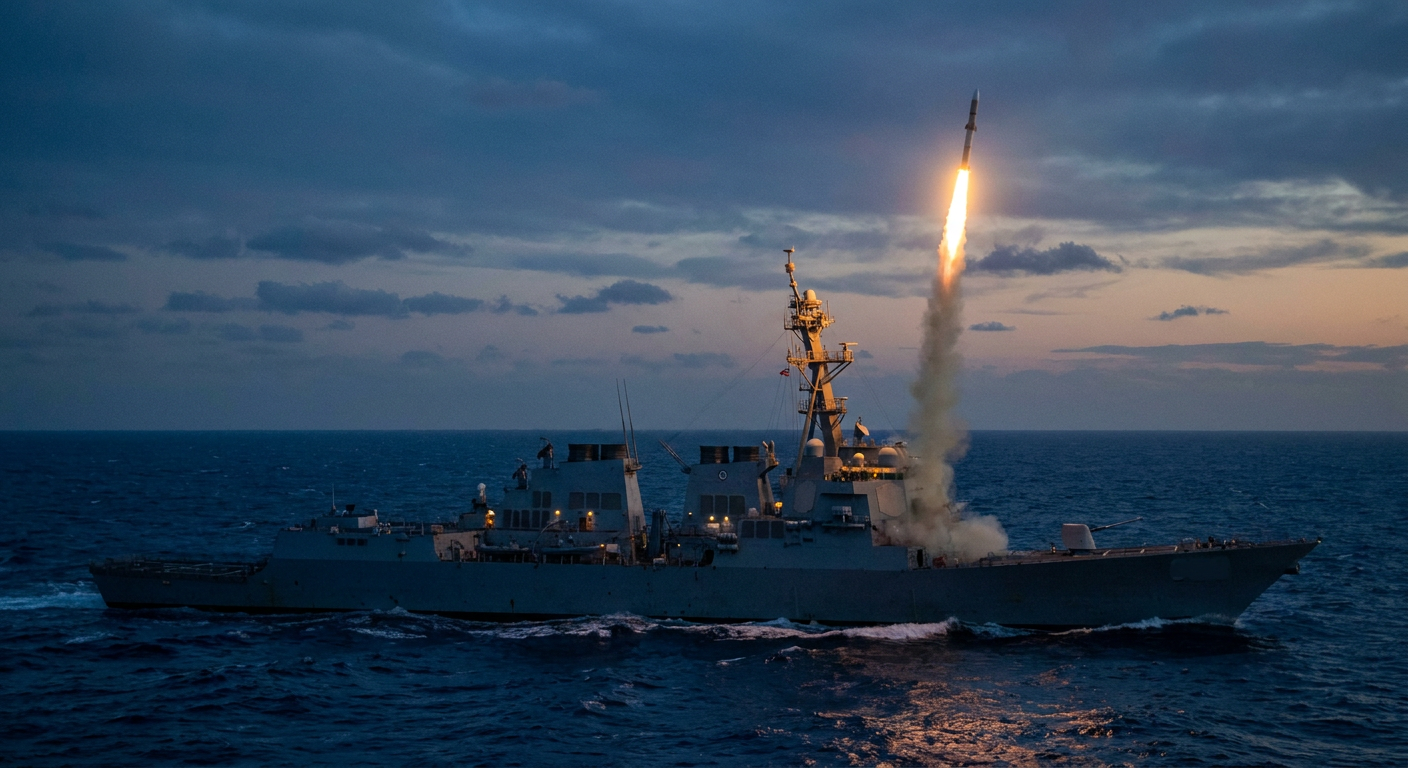
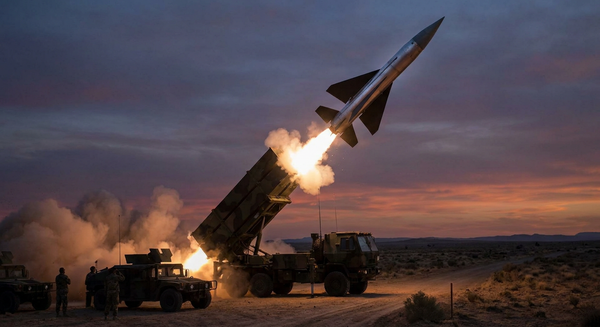
The U.S. Navy and the Department of Defense have formally committed to a five-year contract, carrying two option years and a potential ceiling of $24.4 billion, to accelerate production of the Standard Missile-6 interceptor with Raytheon, an RTX business. The award is designed to lock in long-term manufacturing capacity for what has become the fleet's most versatile weapon across anti-air, anti-surface, and terminal ballistic missile defense.
The agreement marks the third massive munitions pact finalized by the Pentagon in recent months, following a $20.7 billion multi-year agreement for Raytheon's AMRAAM air-to-air missiles in late September and a $58.6 billion Patriot PAC-3 interceptor contract awarded to Lockheed Martin in July. Together, the tranches reflect an aggressive push by defense leadership to compel prime contractors to expand manufacturing infrastructure and build deep inventory reserves.
The Only Triple-Threat Weapon in the Fleet
The Standard Missile-6 occupies a unique operational niche in modern naval doctrine. It remains the only combat-proven interceptor capable of executing three distinct mission sets from a single airframe: fleet air defense against cruise missiles and aircraft, terminal-phase ballistic missile defense, and offensive anti-surface strikes against maritime targets. Deployed across Aegis-equipped Arleigh Burke-class destroyers, cruisers, and mobile land-based Typhon launchers, the missile has served as the backbone of high-end naval air defense throughout extended combat operations in the Red Sea.
Under the landmark framework agreements signed between RTX and defense officials in February, the service set a goal to expand annual SM-6 deliveries beyond 500 missiles per year. To support that trajectory, Raytheon has channeled capital into tooling, automated integration lines, and workforce expansion across its primary facilities in Tucson, Arizona, Huntsville, Alabama, and Andover, Massachusetts.
Contract Ceilings Meet the Appropriations Cliff
While the multi-year structure offers industry the long-sought multi-year demand signal required to order long-lead forgings and solid rocket motor components, the timing introduces severe fiscal friction. Multi-year procurement contracts establish maximum order ceilings and unit pricing frameworks, but actual missile fabrication depends on annual congressional appropriations to fund firm delivery orders.
That dependency is colliding directly with the budget calendar. As fiscal 2027 opened on October 1, the Pentagon had obligated roughly $142 billion of the $152 billion provided under last year's reconciliation package. The remaining 7 percent (roughly $10 billion in unobligated defense funds) is now subject to an 8.3 percent statutory sequestration cut. With regular fiscal 2027 defense appropriations stalled and Capitol Hill operating under short-term stopgap funding, the military's largest munitions ambitions are being framed on contract paper while the cash to execute them remains tied up in legislative gridlock.